
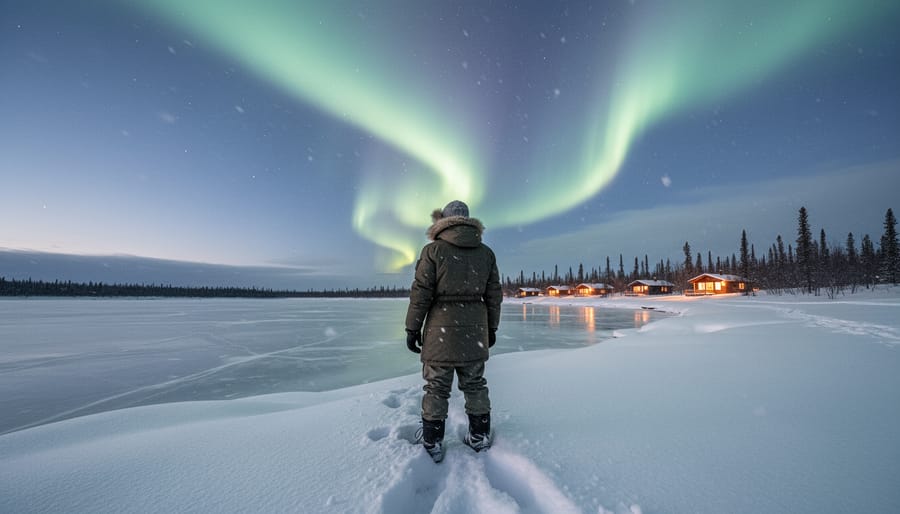
7 Coldest Canadian Cities You Can Actually Visit (And Why You Should)
Yellowknife, the capital of Canada’s Northwest Territories, holds the title as Canada’s coldest city, with January temperatures averaging -26°C (-15°F) and routinely plunging below -40°C during cold snaps. But here’s what makes this answer more interesting than a simple temperature record: Yellowknife isn’t just statistically frigid, it’s a thriving northern community of 20,000 where visitors can actually experience extreme cold while enjoying world-class aurora viewing, ice road adventures, and a surprisingly vibrant culinary scene fueled by bush pilots and diamond miners.
I’ll never forget stepping off the plane in Yellowknife one February evening, watching my breath crystallize in the air as the temperature read -38°C. My eyelashes froze together when I blinked. Yet within an hour, I was sitting in a cozy restaurant eating fresh Arctic char, planning the next day’s dog sledding trip, and chatting with locals who spoke about winter like it was an old friend rather than an enemy.
The truth is, several Canadian cities compete for the coldest crown depending on how you measure: lowest average temperature, most extreme cold snap, longest winter, or coldest wind chill. This guide ranks Canada’s coldest destinations not just by the thermometer, but by their visitability and what they offer adventurous travelers willing to bundle up and embrace the freeze. Whether you’re chasing the northern lights, photographing frozen landscapes, or simply curious about life at the edge of human habitability, these cities prove that cold doesn’t mean inhospitable.
How We Ranked Canada’s Coldest Cities
Ranking the coldest Canadian cities isn’t just about finding the lowest numbers on a thermometer. I wanted to create a list that balanced meteorological reality with actual travel potential, because what good is visiting the coldest place if there’s nothing to see or nowhere to stay?
Here’s what I considered when putting this list together:
- Annual average temperature from Environment Canada data
- January mean temperatures to capture peak winter intensity
- Year-round accessibility via road or regular flights
- Availability of accommodations and winter-ready infrastructure
- Unique winter activities and photographic opportunities
Temperature data came from Environment Canada’s 30-year climate normals, focusing on cities with populations large enough to support visitor services. Some technically colder research stations and tiny settlements didn’t make the cut because you simply can’t book a hotel there or find a restaurant when you’re frozen solid.
I also weighted what makes cold destinations worth experiencing. Can you see the northern lights? Are there winter festivals that celebrate rather than merely endure the freeze? Is there a cultural story that makes the cold meaningful rather than just punishing? These aren’t arbitrary data points on a map. They’re real places where people have built communities, and where travelers can have genuine experiences that justify facing temperatures most of us would consider uninhabitable.
1. Yellowknife, Northwest Territories, The Aurora Capital
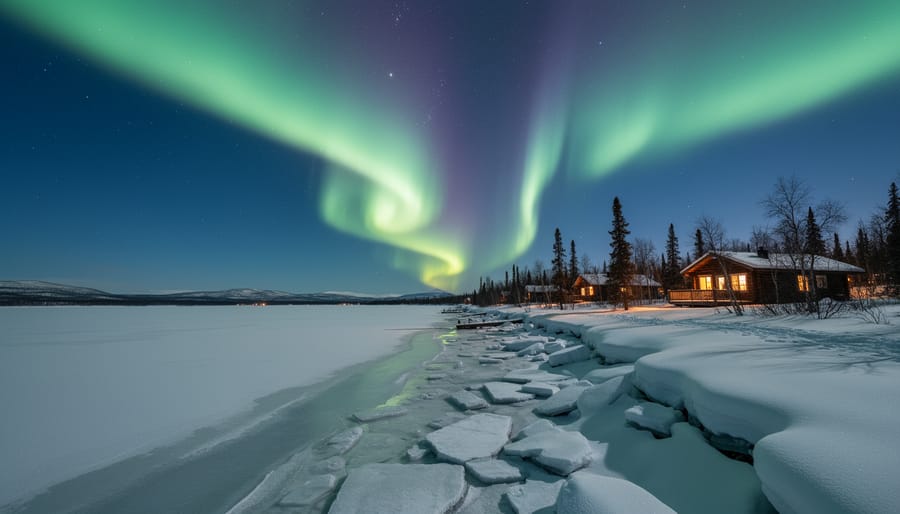
I’ll never forget stepping off the plane in Yellowknife at 2 a.m. in late January, when the air was so cold it felt like inhaling tiny needles. The thermometer read -38°C. My camera lens fogged instantly, and I thought I’d made a terrible mistake. Then I looked up.
The sky was alive. Green ribbons of aurora borealis danced overhead, shifting and pulsing like nothing I’d ever seen through a viewfinder. In that moment, every degree below freezing became absolutely worth it.
Yellowknife holds the title as Canada’s coldest major city with an average annual temperature of -4.3°C, but calling it merely cold misses the point entirely. This is where the North becomes capital-N North, where winter darkness stretches long enough for the aurora to perform nightly, and where the landscape transforms into something otherworldly.
The city sits on the edge of Great Slave Lake, which freezes solid enough by mid-winter to support ice roads linking communities across the frozen expanse. I drove one of these routes with a local guide, the ice beneath us nearly two meters thick, and watched fishing shacks dotting the white horizon like scattered punctuation marks. The silence out there, broken only by occasional ice cracks that sound like distant thunder, creates an almost meditative experience.
For photographers, Yellowknife offers what few places can: consistently clear skies, minimal light pollution, and aurora visibility roughly 240 nights per year. I learned quickly to keep spare batteries inside my parka and to breathe away from my camera to prevent condensation. Locals suggested limiting outdoor shooting sessions to 20-minute intervals, then warming up indoors before heading back out.
Beyond the lights, the indigenous Dene and Métis cultural presence shapes the city distinctly. The Prince of Wales Northern Heritage Centre showcases northern indigenous art and history, while local guides offer perspectives on living with this landscape that no southern visitor could fabricate.
The cold here isn’t an obstacle to endure. It’s the essential ingredient that makes everything else possible: the aurora’s clarity, the ice roads’ existence, the particular quality of winter light bouncing off endless snow. You don’t visit Yellowknife despite the cold. You visit because of it.
2. Whitehorse, Yukon, Where the Wild North Meets Comfort
I first visited Whitehorse in January with the thermometer reading -28°C, and within an hour of arrival, I was soaking in natural hot springs watching my hair freeze into sculptural spikes. That contradiction defines Whitehorse perfectly: genuine frontier cold with creature comforts most Arctic destinations can’t match.
With an average annual temperature of -0.1°C, Whitehorse claims second place on Canada’s coldest cities list, but don’t let that fool you into thinking it’s mild. Winter temperatures regularly plunge below -30°C, yet this territorial capital offers heated hotels, excellent restaurants, and that rarest of northern luxuries, reliable infrastructure.
The Takhini Hot Springs hair-freezing contest happens every February, drawing photographers and adventurers who create wild frozen hairstyles in the 42°C pools while arctic air turns wet hair into instant ice sculptures. I’ve shot dozens of northern lights displays, but watching the aurora dance over steaming pools while participants laugh with frozen mohawks remains one of my favourite Canadian winter memories.
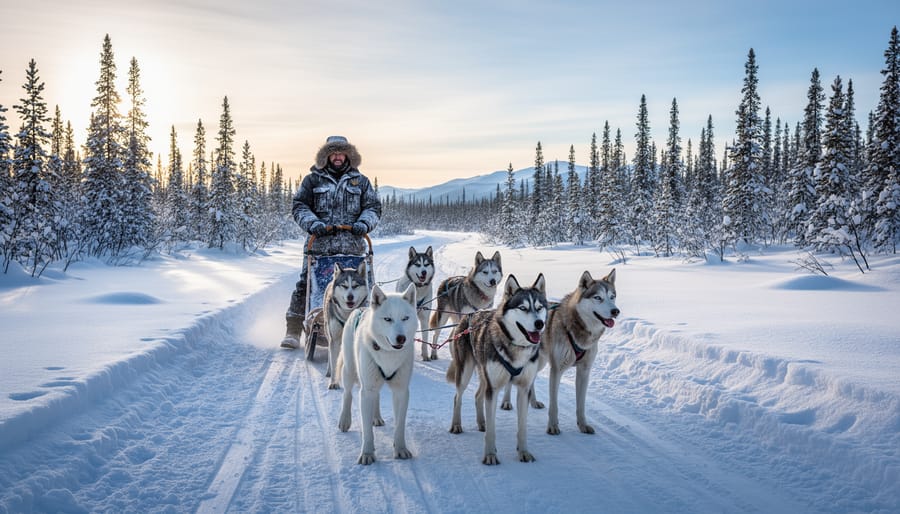
Dog sledding here feels authentic, not touristy. I spent three days mushing with a local team across frozen lakes and through snow-laden spruce forests. The silence between dog commands and the scrape of runners on ice gave me a visceral understanding of Yukon winters that no amount of reading could match.
What sets Whitehorse apart from more remote northern cities is accessibility. The Alaska Highway keeps it connected year-round, and direct flights from Vancouver make it reachable without bush plane adventures. You can experience legitimate Arctic conditions, then retreat to a warm brewpub for locally-made beer and bison burgers.
The cold here carries that particular Yukon dryness that makes -25°C almost pleasant. I found myself comfortable shooting outdoors for hours, something impossible in the damp cold of southern cities at half that temperature. Modern amenities meet genuine wilderness experience without the suffering.
For photographers and travelers wanting extreme cold without extreme isolation, Whitehorse delivers frontier authenticity with a safety net.
3. Iqaluit, Nunavut, Arctic Gateway
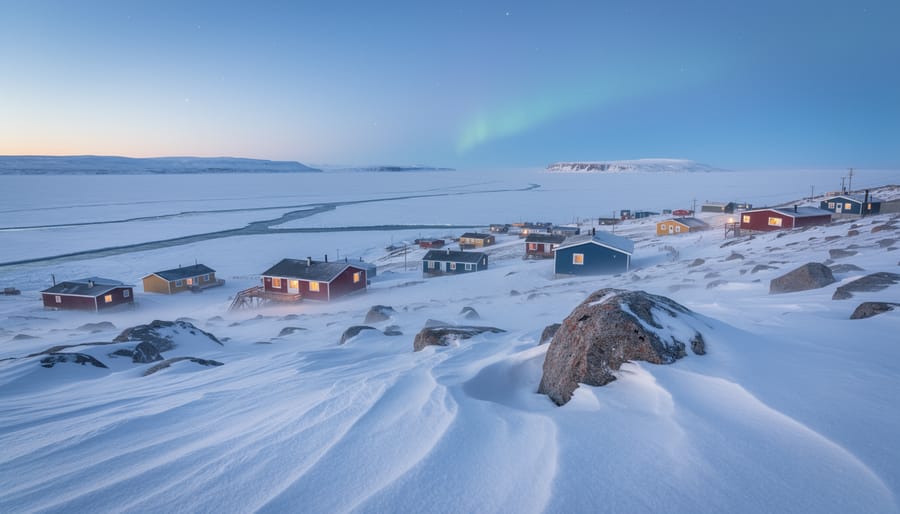
Standing at the edge of Frobisher Bay with my camera in hand, I realized Iqaluit isn’t just cold, it’s otherworldly. With an annual average temperature of -9.5°C, Nunavut’s capital offers the most authentic Arctic experience you can reach by scheduled commercial flight.
The winter darkness here is absolute. From late November through mid-January, the sun barely crests the horizon, creating a perpetual twilight that photographers dream about. I shot some of my most haunting images during this “blue hour” that lasts for days, with the ice-covered bay reflecting shades of indigo and violet I’ve never seen anywhere else.
What makes Iqaluit remarkable is how Inuit culture thrives in these conditions. The local co-op sells intricate soapstone carvings, sealskin boots, and traditional parkas that locals actually wear, not tourist versions. I watched women throat singing at the Alianait Arts Festival, their voices echoing in the community hall while a blizzard raged outside. This isn’t a museum experience; it’s a living culture that has mastered Arctic survival for thousands of years.
Wildlife encounters here feel primal. Arctic foxes wander the town’s edges. Snowy owls perch on power lines. If you venture out on organized expeditions, you might spot caribou herds or even polar bears, though the latter requires serious planning and local guides.
The reality check: Iqaluit is expensive and logistically challenging. Flights from Ottawa cost more than trips to Europe. Fresh produce is scarce. Hotels book months ahead. But if you want to understand what “Arctic” really means, the crushing cold, the resilient communities, the landscape that photographs like another planet, nowhere else comes close. Bring backup batteries for everything. The cold drains them in minutes, but the images you’ll capture are unlike anything from southern Canada.
4. Winnipeg, Manitoba, Surprisingly Accessible Freeze
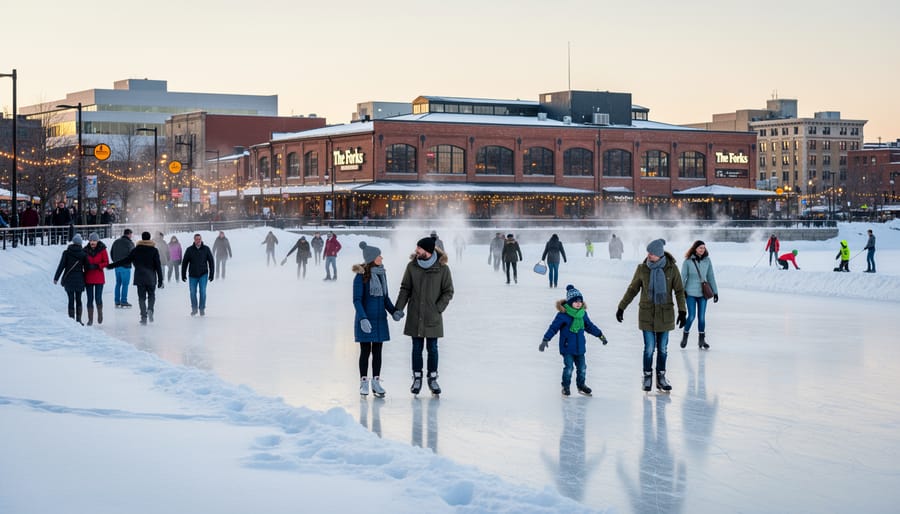
Winnipeg shocked me the first time I visited in February. Here’s a proper city, with an international airport, museums, restaurants serving must-try Canadian foods and heated walkways connecting downtown buildings, that somehow functions beautifully at -30°C. That’s the genius of Winnipeg: it gives you the full prairie deep freeze without requiring bush plane access or wilderness survival skills.
The city’s annual average temperature sits at -2.8°C, and January routinely plunges below -20°C for weeks. Yet life doesn’t stop. People skate on the frozen Red and Assiniboine Rivers at The Forks, a historic meeting place turned year-round gathering spot with warming huts designed by architects from around the world. I’ve photographed families gliding past these quirky shelters with the city skyline behind them, steam rising from hot chocolate vendors, everyone bundled but clearly enjoying themselves rather than merely enduring.
Festival du Voyageur in mid-February transforms the cold into celebration. This ten-day winter festival honours French-Canadian fur trader heritage with snow sculptures, traditional music, tourtière and pea soup served outdoors, and enough maple taffy to coat every tongue in Manitoba. The cold becomes the point, not the obstacle.
What makes Winnipeg ideal for first-time extreme cold travelers is the safety net. If you get too cold, you’re never more than five minutes from a heated building, a taxi, or the city’s excellent bus system. Hotels understand winter travelers. Rental cars come with block heaters and emergency kits. The city has mastered cold-weather infrastructure that remote northern towns simply can’t offer.
You get legitimate prairie cold with none of the isolation anxiety.
5. Thompson, Manitoba, The Mining Town Time Capsule
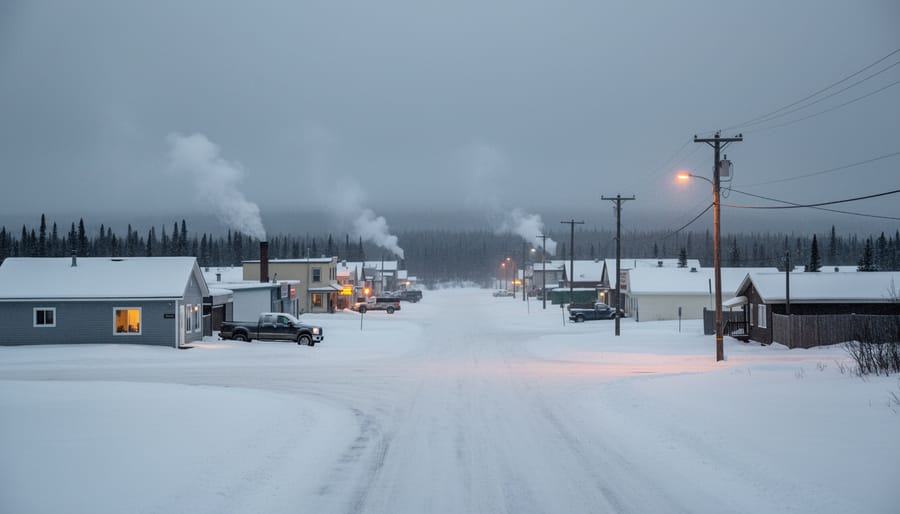
I’ll admit Thompson caught me off guard on my first visit. Most people fly right over it en route to Churchill, but this mining town 740 kilometres north of Winnipeg deserves more than a layover glance.
Thompson sits at that fascinating ecological edge where boreal forest gives way to tundra. Winter temperatures average -22°C in January, and the town’s industrial bones don’t try to hide themselves. What struck me wasn’t postcard prettiness but something rarer: authenticity. This is a working northern community that happens to be accessible, not a destination groomed for Instagram.
The cold here feels different than southern cities. There’s less windbreak, more bite. You’re genuinely in the north now, and locals carry themselves with that quiet competence I’ve noticed in frontier towns. The Inco mine built Thompson in the 1950s, and you still see that utilitarian architecture, though the Heritage North Museum tells the story better than I can, with exhibits on mining history and indigenous culture.
For winter activities, Spirit Way Trail Network offers 29 kilometres of groomed paths through stunted spruce and across frozen wetlands. I’ve snowshoed here at -35°C with only the crunch of my boots and the occasional raven breaking the silence. Paint Lake becomes a massive skating rink. Pisew Falls, an hour’s drive south, freezes into curtains of ice worth the trip alone.
Thompson isn’t for everyone. There’s no luxury lodge or guided aurora tour with hot chocolate service. But if you want to understand what Canada’s north actually looks like for the people who live there year-round, this is your classroom.
6. Fort McMurray, Alberta, Industry Meets Ice
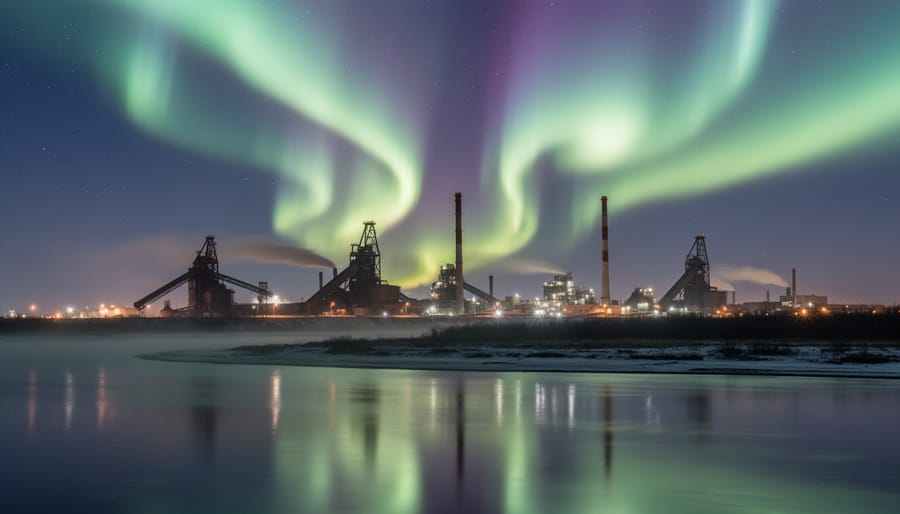
Fort McMurray sits at 56°N latitude with winter temperatures regularly dropping to -30°C, but this isn’t your typical postcard-pretty northern destination. It’s a working city built on oil sands, where massive industrial operations run 24/7 regardless of the mercury plummeting.
That industrial backdrop creates surprisingly compelling photographic contrasts. I’ve shot steam plumes from processing facilities illuminating the night sky while aurora borealis danced above them, a collision of human industry and natural wonder you won’t find anywhere else. The city’s northern latitude makes it excellent aurora hunting territory from September through April, with far less tourist congestion than Yellowknife.
Syncrude’s annual ice sculpture display transforms industrial grounds into frozen art galleries each winter. These aren’t amateur carvings, professional ice artists create massive installations that glow under strategic lighting. The juxtaposition of delicate ice art against heavy industrial equipment makes for compelling compositions, though you’ll need to keep your camera batteries warm between shots.
Wood Buffalo National Park lies just an hour north, protecting the world’s largest beaver dam and providing habitat for the last free-roaming bison herds. Winter access requires serious preparation, but the reward is photographing wildlife in pristine boreal wilderness.
The city’s industrial nature means excellent infrastructure, heated bus shelters, underground parking, and businesses that never close due to cold. You won’t find yoga studios discussing vaping health risks or many options for a portrait photography course here, but you will find authentic northern life where people simply get on with things despite the cold.
7. Saguenay, Quebec, Cold with French Flair
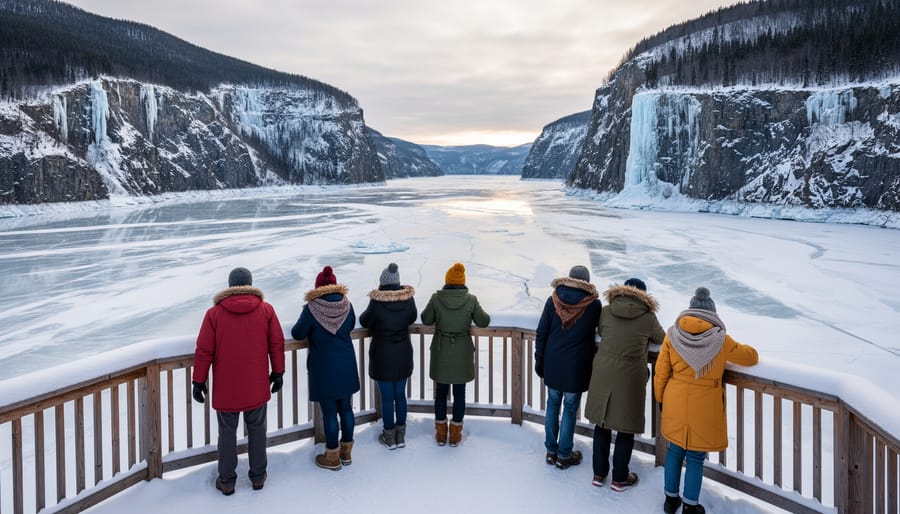
Saguenay sits tucked into Quebec’s dramatic fjord country, where winter temperatures regularly plunge below -25°C and the landscape transforms into something out of a Scandinavian fairy tale. I photographed the frozen Saguenay River one February morning when the ice was so thick locals were driving pickup trucks across it, and the cliffs rising on either side were draped in frozen waterfalls that caught the pale sunlight like chandeliers.
What sets Saguenay apart from other cold Canadian cities is the Québécois joie de vivre that permeates even the deepest freeze. While you’re bundled in a heated ice fishing hut on Lac Saint-Jean pulling up doré through holes in meter-thick ice, you’re probably also sipping caribou (a warming fortified wine) and snacking on tourtière someone’s grandmother made that morning. The cultural warmth here isn’t just metaphorical, locals genuinely embrace winter through festivals, traditional Canadian foods and outdoor activities that make the season feel celebratory rather than survivable.
The fjord scenery in winter is legitimately world-class. When snow blankets the steep valley walls and ice forms along the shoreline, you’re looking at landscapes that rival Norway at a fraction of the travel cost. Saguenay is accessible via a three-hour drive from Quebec City, making it the most reachable genuinely cold destination on this list for travelers flying into eastern Canada. The bilingual signage helps, but learning a few French phrases will earn you warmer smiles in the cozy bistros where you’ll thaw out between adventures.
What to Pack for Canada’s Coldest Cities
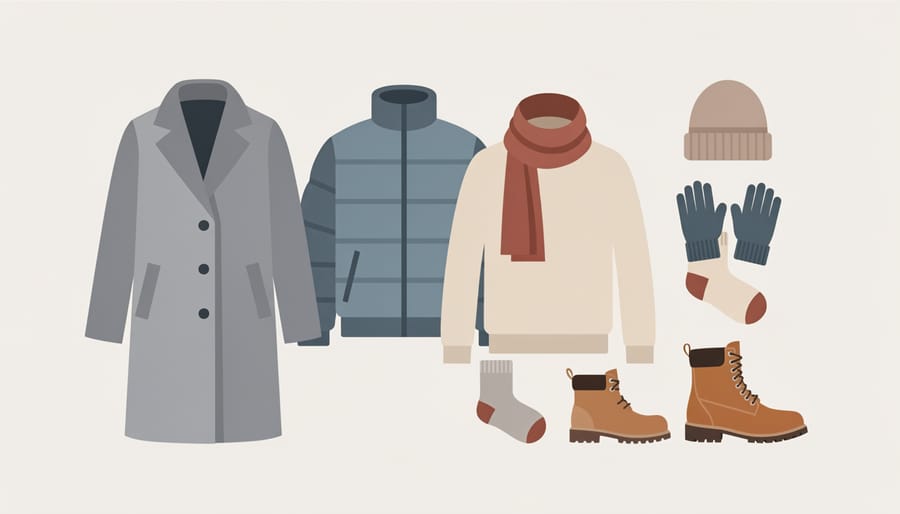
I learned about layering the hard way after my first Yellowknife trip, when I thought a thick parka would be enough. At -20°C, you can get by with three layers: a moisture-wicking base, insulating mid-layer, and windproof shell. But once temperatures drop to -40°C, you need serious preparation. I now pack merino wool base layers, fleece or down mid-layers, an expedition-weight parka, insulated snow pants, and two pairs of mittens because your first pair will get damp from adjusting camera settings.
For photographers, cold-weather prep goes beyond clothing. I keep spare camera batteries inside my jacket against my body, rotating them as needed. My main camera stays under my parka until I’m ready to shoot. Condensation is the real enemy when moving between -30°C outdoors and heated buildings, so I seal my gear in plastic bags before heading inside, letting it warm gradually. Unlike the controlled environment of studio work where portrait photography cost calculations focus on equipment and time, cold-weather photography demands gear that can actually function in extreme conditions.
Don’t forget hand and toe warmers, a balaclava, glacier glasses for bright snow, and lip balm. The temperature difference between -20°C and -40°C isn’t just numbers, it’s the line between uncomfortable and genuinely dangerous.
Common Questions About Visiting Cold Canadian Cities
I’ve traveled to enough frozen corners of Canada to know that people often have the same questions before booking a trip north. Here’s what you really need to know before you go.
When is the coldest time to visit these cities?
January and February bring the most extreme temperatures, often dipping below -30°C, but they also offer the best northern lights viewing and authentic winter festival experiences. If you want the full arctic experience without quite as much bite, late November or early March gives you solid cold with slightly longer daylight hours.
Is visiting these cold cities actually safe for tourists?
Absolutely, as long as you respect the weather and dress properly. Frostbite can happen in under 10 minutes when temperatures hit -40°C with windchill, but locals live normal lives in these conditions year-round. The key is layering correctly, limiting outdoor exposure time, and always having an indoor backup plan.
Can you see the northern lights from all these cities?
Yellowknife, Whitehorse, and Iqaluit offer your best aurora odds, with Yellowknife having clear skies up to 240 nights per year. Winnipeg and Saguenay occasionally get displays during strong solar activity, but you’re pushing your luck. Fort McMurray and Thompson fall somewhere in between, decent but not guaranteed.
What’s the coldest temperature that’s still manageable for photography?
I’ve shot comfortably down to -25°C with proper gear, but below -35°C your camera batteries drain fast and LCD screens get sluggish. Keep spare batteries warm against your body and work in shorter bursts outdoors.
The indoor attraction question matters more than you’d think. Every city on this list has developed robust indoor infrastructure precisely because of the climate. Winnipeg has entire underground walkways connecting downtown buildings. Yellowknife’s Prince of Wales Northern Heritage Centre and Whitehorse’s MacBride Museum offer hours of cultural immersion when you need to thaw out. Even tiny Thompson has a recreation complex that feels like a warm oasis.
Transportation in winter requires patience. Flights get delayed by weather, ice roads have seasonal windows, and rental cars need block heaters. I always build extra buffer days into northern itineraries and keep emergency supplies in any vehicle, no matter how short the drive.
I’ll never forget standing at -35°C in Yellowknife, fingers numb despite three layers of gloves, watching the aurora dance across the sky while my camera shutter clicked in slow motion from the cold. That discomfort faded the moment I reviewed those images, the kind of photographs you simply cannot capture anywhere warmer. These seven cities prove that Canada’s coldest destinations offer something no tropical beach ever could: the raw, crystalline beauty of winter at its most extreme, combined with genuinely warm communities who’ve mastered the art of thriving in the freeze.
Yes, you’ll need serious cold-weather gear. Yes, your first breath of -40°C air will shock your lungs. But you’ll also witness landscapes transformed into something almost otherworldly, meet people whose resilience and hospitality shine brightest in the darkest months, and return home with stories that make every other winter feel mild. The cold isn’t something to endure in these places. It’s the whole point, the defining character that shapes everything extraordinary about them. Bundle up and go see for yourself.