
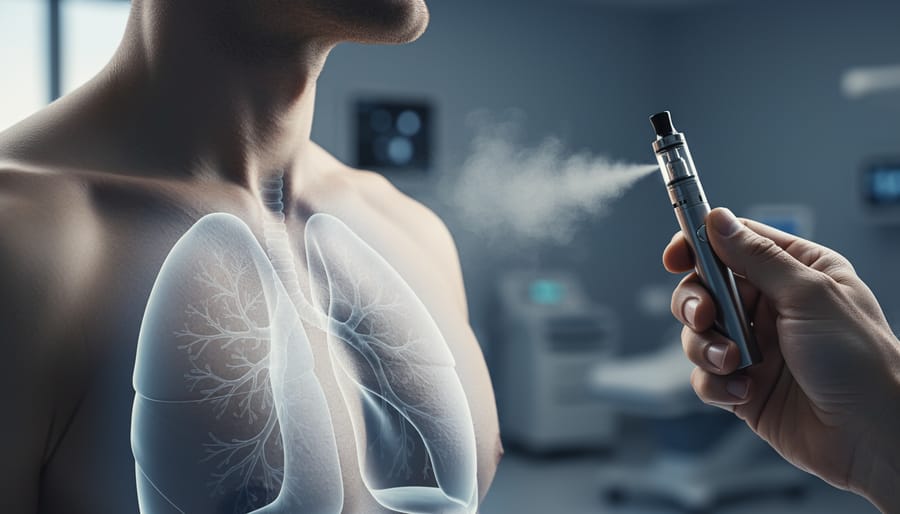
Is Vaping Bad for Your Lungs? What the Science Shows About E-Cigarette Health Risks
Vaping is the act of inhaling aerosolized liquid through an electronic device, typically containing nicotine, flavorings, and other chemicals. And yes, it is bad for your lungs.
While manufacturers marketed e-cigarettes as safer alternatives to smoking, emerging research paints a troubling picture. Your lungs weren’t designed to inhale anything but clean air. When you vape, you’re pulling a heated chemical cocktail deep into lung tissue, where ultrafine particles deposit themselves in airways and air sacs. That direct exposure triggers inflammation, impairs the cells that keep your lungs clean, and disrupts the delicate gas exchange that keeps you alive.
The consequences aren’t theoretical. Severe lung injuries have sent thousands to hospitals, some requiring ventilators and intensive care. Beyond acute crises, regular vaping appears to damage the microscopic structures responsible for breathing, similar to patterns seen in traditional smoking. Young people, whose lungs are still developing, face particular risk.
Here’s what makes the vaping question especially complex: the technology is relatively new, meaning we’re still uncovering long-term effects. What we do know is concerning enough to warrant serious caution. The flavored clouds might seem harmless, but your respiratory system tells a different story, one written in inflamed tissue and compromised function.
This article breaks down exactly what happens when vapor enters your lungs, catalogs the documented health risks based on current medical evidence, and answers the practical questions you’re probably asking. Whether you’re a current vaper, considering it, or worried about someone who uses these devices, you deserve clear information about what science has revealed so far.
What Vaping Actually Means

Vaping is the act of inhaling and exhaling an aerosol, often called vapor, produced by an electronic cigarette or similar device. Unlike traditional cigarettes that burn tobacco to create smoke, vaping devices heat a liquid until it turns into a mist that users breathe in.
The process might look similar to smoking from a distance, but the mechanics are fundamentally different. When you light a cigarette, combustion occurs: tobacco burns at high temperatures, releasing thousands of chemicals in smoke. Vaping skips the burning altogether. Instead, a battery-powered heating element warms the liquid just enough to create vapor, which is why manufacturers and users distinguish it from smoking.
- E-cigarette
- A battery-operated device that heats liquid to produce vapor for inhalation, designed to simulate the experience of smoking without burning tobacco.
- E-liquid (or vape juice)
- The fluid used in vaping devices, typically containing propylene glycol, vegetable glycerin, flavorings, and often nicotine.
- Aerosol
- The technical term for the mist produced by vaping devices, consisting of tiny liquid droplets suspended in air rather than true vapor.
- Nicotine salt
- A form of nicotine chemically modified to allow higher concentrations in e-liquid without the harsh throat sensation of freebase nicotine.
When someone vapes, they draw on the mouthpiece, activating the heating element. Within seconds, the device converts liquid into aerosol, which travels through the airways into the lungs. Users hold it briefly, then exhale the visible cloud. The experience delivers nicotine (in most cases) along with flavorings and other chemicals dissolved in the liquid base.
This distinction between vapor and smoke matters for understanding lung health risks. While vaping eliminates many combustion byproducts found in cigarette smoke, the aerosol still carries substances that interact with delicate lung tissue in ways researchers continue to study.
How Vaping Devices Work
The Components Inside Your Vape
A vaping device might look sleek and simple on the outside, but inside, several components work together to turn liquid into the aerosol you inhale.
The battery provides the power source, usually rechargeable lithium-ion, that supplies energy to the entire system. When you activate the device, either by pressing a button or simply inhaling, the battery sends electrical current to the heating element.
The heating coil, typically made of metal wire wrapped around a wicking material, receives this power and rapidly heats up. This coil sits in contact with the e-liquid and reaches temperatures high enough to vaporize it, usually between 200 and 300 degrees Celsius.
The e-liquid reservoir, also called a tank or cartridge, stores the flavored liquid containing nicotine and other chemicals. A wicking material draws this liquid from the reservoir to the heating coil, ensuring a steady supply for vaporization.
Finally, the mouthpiece channels the resulting aerosol from the heating chamber into your mouth and lungs. This component may seem passive, but its design affects vapor temperature and particle size when the aerosol reaches your respiratory system.
Each component plays a role in delivering chemicals directly to your lung tissue, which is why understanding this process matters when considering health impacts.
What’s Actually in the Vapor
When you inhale from a vaping device, you’re drawing in an aerosol that looks like water vapor but contains a mix of chemicals your lungs weren’t designed to handle. The base liquid typically consists of propylene glycol and glycerol (vegetable glycerin), which create the visible “clouds” but can irritate airways when heated and inhaled repeatedly.
The aerosol typically contains:
- Propylene glycol and vegetable glycerin (60-95% of the liquid)
- Nicotine in varying concentrations, from zero to 50+ mg/mL in some products
- Flavorings like diacetyl, acetoin, and vanillin that may damage lung tissue
- Heavy metals including lead, nickel, and tin from the heating coil
- Formaldehyde and acetaldehyde produced when ingredients break down under heat
The heating process itself creates a problem. When the coil reaches high temperatures, it doesn’t just vaporize the liquid cleanly. Chemical reactions occur that produce byproducts not listed on any ingredient label, including carbonyls and volatile organic compounds that wouldn’t exist in the unheated liquid. The specific mix varies wildly depending on device temperature, coil condition, and liquid formulation, making it difficult to know exactly what you’re exposing your lungs to with each puff.
Types of Vaping Devices and Products
Nicotine vs. THC Vaping Products
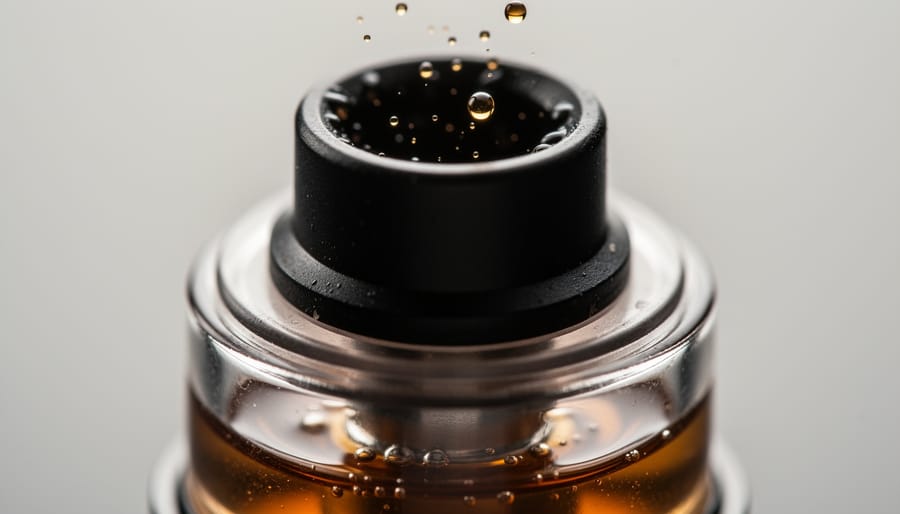
Nicotine and THC vaping products differ significantly in their chemical composition and associated lung health risks. Nicotine vapes, commonly marketed as e-cigarettes, typically contain propylene glycol, vegetable glycerin, flavorings, and nicotine extracted from tobacco. These products deliver nicotine through aerosol without the tar and combustion byproducts of traditional cigarettes, though they still expose lungs to chemicals that can cause inflammation and irritation.
THC vaping products, designed to deliver cannabis compounds, use different base oils and extraction methods. The critical distinction emerged during the vaping-associated lung injury cases that came to public attention in recent years, where investigations linked severe respiratory illnesses primarily to THC products containing vitamin E acetate, a thickening agent added to dilute cannabis oil. This additive, when heated and inhaled, appeared to cause serious lung damage. Illicit or unregulated THC vapes carried particularly high risk because manufacturers often added unknown adulterants.
Both product categories can harm lungs, but through different mechanisms. Nicotine vapes raise concerns about long-term inflammation and respiratory function decline. THC products, especially those from unlicensed sources, pose immediate dangers from contaminants alongside unknown long-term effects from inhaling concentrated cannabis compounds. Neither category is risk-free for your respiratory system.
What Happens to Your Lungs When You Vape
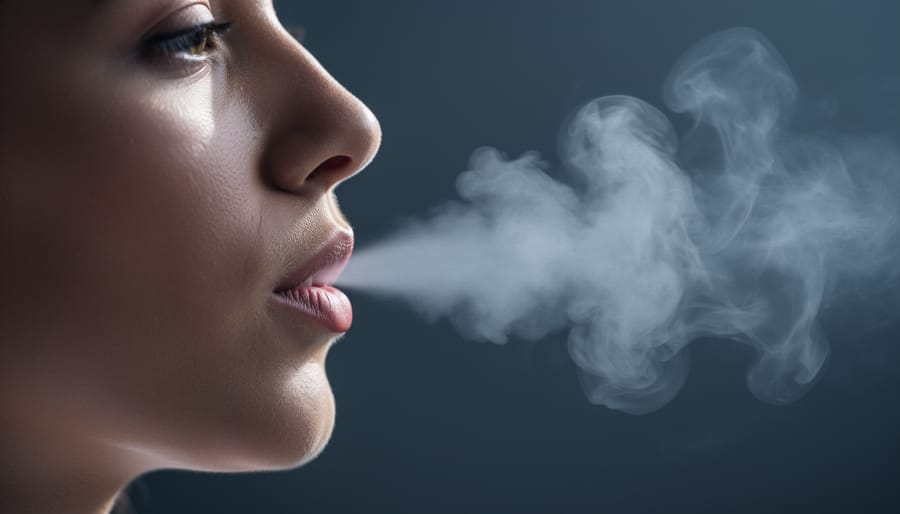
When you inhale vapor from an e-cigarette, the aerosol travels deep into your respiratory system, reaching the delicate air sacs in your lungs where oxygen exchange occurs. Unlike normal air, this vapor carries tiny particles, chemicals, and often nicotine that immediately interact with the moist surfaces of your airways and lung tissue.
The immediate response in your lungs often includes irritation of the bronchial tubes, those branching airways that carry air deeper into your chest. Studies examining people right after vaping sessions have documented increased airway resistance, meaning your lungs have to work harder to move air in and out. Some vapers experience throat irritation, coughing, or shortness of breath within minutes, signs that the respiratory system recognizes the vapor as a foreign substance.
At the cellular level, research shows that vape aerosol can damage the cilia, those microscopic hair-like structures lining your airways that sweep out mucus and trapped particles. When cilia function poorly, your lungs become less efficient at clearing debris and defending against infections. Laboratory studies of lung cells exposed to vape components have found increased markers of oxidative stress, essentially, the cells show signs of damage similar to what happens with other inhaled irritants.
The chemicals in vapor also appear to trigger inflammatory responses. Your immune system reacts to the presence of propylene glycol, flavoring compounds, and other substances by activating white blood cells and releasing inflammatory proteins. This inflammation can cause the airways to swell and produce excess mucus, much like what happens during a respiratory infection.
Longer-term effects observed in people who vape regularly include changes to lung tissue architecture. Imaging studies have detected signs of small airway dysfunction, and pulmonary function tests sometimes reveal reduced capacity compared to non-vapers. Some research suggests that chronic exposure may increase susceptibility to respiratory infections, as the altered lung environment becomes more hospitable to bacteria and viruses.
What makes assessing these effects challenging is that vaping remains relatively new compared to traditional smoking. Researchers haven’t yet tracked vapers for the decades needed to fully understand how cumulative exposure shapes lung health over a lifetime. The effects also vary depending on what you’re vaping, how often, and individual biological factors like existing respiratory conditions or genetic predispositions.
Known Lung Health Risks from Vaping
Chemical Exposure and Inflammation
When you inhale vape aerosol, a mix of heated chemicals enters your lungs. Propylene glycol and vegetable glycerin, the base liquids in most e-cigarettes, break down into acrolein and formaldehyde when heated. Both compounds irritate the airways and can damage the cells lining your respiratory tract.
Clinical studies show these chemicals trigger an inflammatory response in lung tissue. Your immune system treats the foreign particles as potential threats, sending white blood cells to the area. This creates swelling and irritation similar to what happens during a respiratory infection, except the exposure is voluntary and often repeated.
The flavoring chemicals add another layer of concern. Diacetyl, used to create buttery or creamy flavors, has been linked to a serious condition called bronchiolitis obliterans when inhaled. While manufacturers have reduced its use, other flavoring compounds haven’t been thoroughly tested for inhalation safety, they were approved for eating, not breathing.
Metal particles from the heating coil can also enter the aerosol. Researchers have found traces of nickel, tin, and lead in vapor samples. These particles lodge deep in lung tissue, where they can cause oxidative stress and chronic inflammation over time.
EVALI and Contaminant-Related Injuries
In 2019, a cluster of severe lung injuries swept through North America, affecting thousands of people who’d recently vaped. This outbreak became known as EVALI, e-cigarette or vaping product use-associated lung injury. Patients arrived at emergency rooms with coughing, chest pain, shortness of breath, and rapidly declining lung function. Some needed ventilators to survive.
Investigators eventually traced most cases to THC-containing vaping products purchased through informal channels rather than licensed retailers. The culprit wasn’t nicotine or the typical ingredients in regulated vapes. It was vitamin E acetate linked to EVALI an oily additive used to dilute cannabis oil in black-market cartridges. When heated and inhaled, this thickening agent appears to coat lung tissue, triggering severe inflammatory damage.
The outbreak highlighted a critical distinction: not all vaping products carry the same risks. Illicit or homemade liquids can contain contaminants that regulated products generally don’t. While EVALI cases have dropped significantly since the outbreak peaked, the episode revealed how difficult it is to know exactly what you’re inhaling when products come from unverified sources. It’s a reminder that where and what you vape matters tremendously for your lungs.
Long-Term Respiratory Effects
Researchers have observed patterns among regular vapers that suggest potential long-term respiratory consequences, though definitive conclusions remain limited because vaping hasn’t existed long enough for extensive longitudinal studies.
Chronic vapers show increased rates of bronchitis symptoms, persistent cough, mucus production, wheezing, compared to non-users. The irritation from repeated chemical exposure appears to trigger ongoing inflammation in the airways. Some studies have documented measurable reductions in lung function tests among people who vape regularly, particularly those who started as teenagers while lungs were still developing.
The chemicals in vape aerosol may compromise the lungs’ natural defense mechanisms. Vaping appears to impair cilia, the tiny hair-like structures that normally clear mucus and debris from airways. This dysfunction could increase vulnerability to respiratory infections and make existing lung conditions worse.
Scientists are investigating potential connections between chronic vaping and more serious respiratory diseases, including COPD and asthma exacerbation. While the evidence isn’t conclusive yet, the inflammatory processes observed in vapers mirror early stages of diseases that took decades to manifest clearly in traditional smokers. The relatively short timeframe since vaping became widespread means we’re still learning what decades of use might do to lungs.
How People Use Vaping (and Why That Matters for Lung Health)
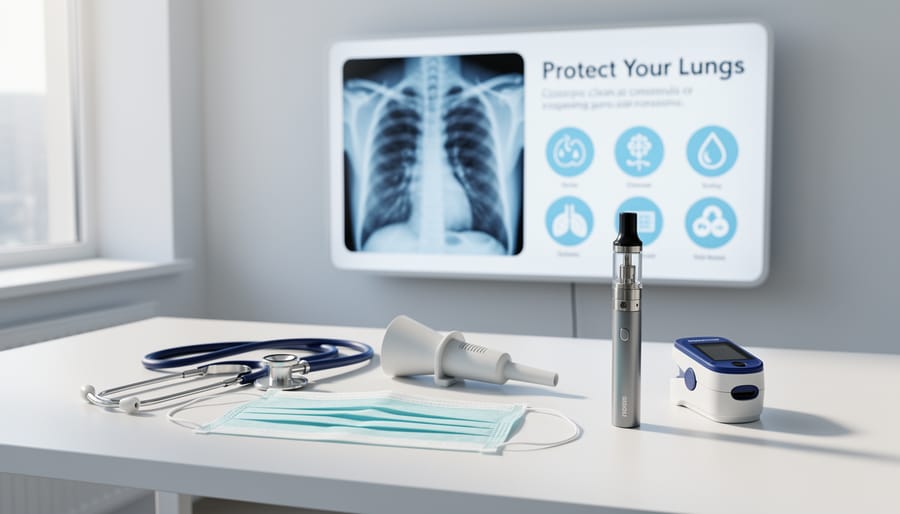
People reach for vapes in wildly different circumstances, and those patterns shape how much risk lands on their lungs. Someone using a vape twice daily to wean off cigarettes faces a different exposure profile than someone chain-vaping flavored pods at parties every weekend. Understanding these contexts helps clarify why blanket statements about vaping safety miss the nuance.
Smoking cessation remains one of the most cited reasons adults turn to vaping. Many former smokers report success switching to e-cigarettes, then tapering nicotine levels down over time. This controlled, deliberate use typically involves moderate frequency with a clear exit plan. Contrast that with recreational vapers who treat devices like a hobby, experimenting with high-wattage mods and cloud-chasing techniques that deliver massive aerosol volumes per puff. The sheer quantity of vapor inhaled in the latter scenario multiplies chemical exposure, even if the device itself is identical.
Social vaping introduces its own variables. Shared devices at gatherings raise hygiene concerns alongside the health questions, while peer pressure can push occasional users into heavier sessions than they’d choose alone. Young adults in particular report vaping more frequently in group settings, where the ritual becomes part of socializing rather than nicotine management.
Certain usage behaviors amplify lung health risks more than others:
- Frequent, all-day vaping that keeps airways constantly exposed to aerosol
- Deep lung inhalation techniques designed to maximize vapor absorption
- Using high-nicotine concentrations or modified devices that deliver stronger hits
- Mixing nicotine and THC products in the same device or session
- Vaping immediately before or during physical exertion when breathing rate increases
Duration matters as much as frequency. A person who vapes lightly for six months presents a different clinical picture than someone maintaining the same habit for six years. Cumulative exposure allows more time for inflammatory changes to develop and persist in lung tissue.
The intention behind vaping also influences outcomes. Using a vape to quit smoking introduces calculated risk that may still outweigh continued cigarette use for some individuals. Picking up vaping with no prior nicotine habit, however, creates new exposure where none existed. These distinctions don’t eliminate risk, but they do contextualize it, reminding us that vaping’s impact on your lungs depends significantly on how and why you’re doing it in the first place.
Common Questions About Vaping and Lung Health
Is vaping safer than smoking cigarettes?
Vaping generally exposes you to fewer toxic chemicals than combustible cigarettes, but “safer” doesn’t mean safe. Both harm your lungs, and vaping still delivers nicotine, ultrafine particles, and chemicals that trigger inflammation and damage respiratory tissue.
Can your lungs recover after you stop vaping?
Your lungs can begin healing once you quit, with inflammation often decreasing within weeks. The extent of recovery depends on how long and heavily you vaped, and whether you’ve developed chronic conditions, some damage may be permanent.
Does secondhand vapor harm people around me?
Yes, secondhand vapor contains nicotine, volatile organic compounds, and fine particles that others inhale. While concentrations are lower than secondhand smoke, exposure still poses risks, particularly for children, pregnant women, and people with respiratory conditions.
How quickly can vaping cause lung problems?
Timing varies widely. Some people develop acute symptoms like coughing or shortness of breath within days or weeks of heavy use, while chronic conditions may take months or years to emerge, depending on frequency, device type, and individual susceptibility.
These questions reflect the concerns I hear most often from people trying to understand vaping’s real impact on their health. The answers aren’t always what people want to hear, especially if they’ve turned to vaping hoping for a harmless alternative to smoking.
One area that confuses many is product quality and contamination. Illicit or counterfeit vaping products can contain dangerous additives, and cases of severe lung injury have been linked to products purchased outside regulated channels. Sticking to regulated products reduces, but doesn’t eliminate, risk.
Another common worry involves mixing vaping with an active lifestyle. Can you vape and still hike, cycle, or travel energetically? Reduced lung capacity and increased inflammation can absolutely affect your stamina and breathing during physical activity. Some regular vapers notice they get winded more easily on trails they used to handle comfortably.
People also ask whether certain flavors are safer than others. While mint and fruit flavors might seem benign, the chemicals that create those flavors can break down into harmful compounds when heated. No flavor category has been proven safe for inhalation, and some flavoring agents have been specifically linked to lung damage.
If you’re considering quitting, talk to a healthcare provider about support options. Nicotine replacement therapies, counseling, and prescription medications can help you stop without substituting one harmful habit for another. Your lungs, and your ability to enjoy active adventures, will thank you.
So, is vaping bad for your lungs? The evidence points clearly to yes. While we’re still learning about the full scope of long-term effects, research has established that vaping introduces harmful chemicals into your lungs, triggers inflammation, and has been linked to serious respiratory injuries. The idea that vaping is “harmless” simply doesn’t hold up under scrutiny.
That doesn’t mean the picture is entirely black and white. For some smokers, vaping may serve as a transitional tool away from combustible cigarettes, which carry their own significant risks. But for non-smokers and young people, picking up a vape introduces unnecessary health hazards to otherwise healthy lungs. The science continues to evolve, and researchers are tracking users to understand what decades of vaping might do to respiratory function.
If you currently vape or you’re considering it, talk to your doctor. They can help you weigh your individual circumstances and explore safer alternatives if you’re trying to quit smoking. And if you don’t vape, there’s no compelling health reason to start.
On a personal note, I’ve always believed that taking care of your health opens doors to richer experiences. Whether you’re hiking through Banff’s mountain trails, exploring the street food scene in Montreal, or simply having the stamina to wander a new city for hours, your lung health matters. Making informed choices about what goes into your body helps ensure you can keep adventuring for years to come.